


Don't miss the latest trends
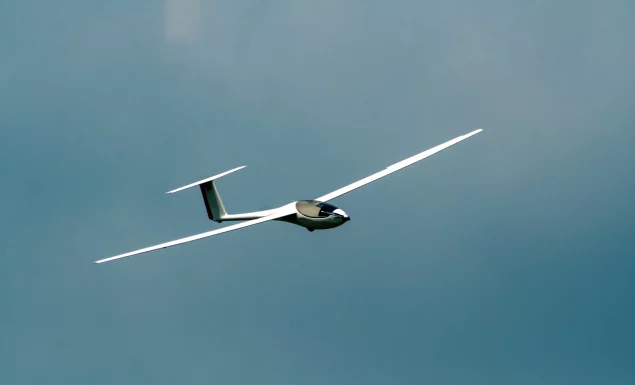
Gliding, or soaring, is an exhilarating form of aviation that harnesses the power of natural forces to fly aircraft without the use of engines. This silent mode of flight offers a unique and intimate experience with the atmosphere, challenging pilots to skillfully utilize wind currents, thermals, and terrain to stay aloft and navigate through the…
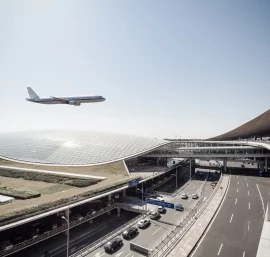
Navigating the skies as a pilot involves much more than just piloting an aircraft from one point to another; it requires adeptness in handling a variety of challenging conditions that can arise due to unique airport locations, environmental factors, and runway configurations. Some airports around the world are notorious for their difficulty, presenting a set…

The concept of smart airports has emerged as a response to the growing demand for more efficient, streamlined, and pleasant travel experiences. By leveraging advanced technologies, airports around the world are transforming their operations to become more passenger-friendly, environmentally sustainable, and operationally efficient. This transformation is centered around the integration of Internet of Things (IoT)…

The space industry is witnessing an unprecedented surge in innovation and entrepreneurship, driven by a new generation of space startups. These ventures are pushing the boundaries of space exploration, satellite technology, and space-based services, transforming what was once the exclusive domain of governments and aerospace giants. This exploration delves into the rise of space startups,…
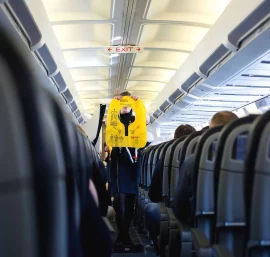
The Role of Big Data in Improving Flight Safety and Efficiency In the modern era, aviation has become one of the safest modes of transportation, thanks in large part to advancements in technology and a rigorous focus on safety. A key component of these advancements is the utilization of big data. The term “big data”…

The Sound of Space: Listening to the Cosmos The concept of sound in space is a fascinating paradox. In the vacuum of space, where there is no air or medium for sound waves to travel through, one might assume space to be utterly silent. However, scientists have found innovative ways to “listen” to the cosmos,…

The advent of artificial intelligence (AI) has catalyzed a monumental shift across industries, and aviation is no exception. AI pilots, representing the zenith of autonomous flight technology, are poised to redefine the paradigms of air travel, promising to enhance safety, efficiency, and sustainability. This transition towards AI-driven autonomy represents not just an evolution but a…
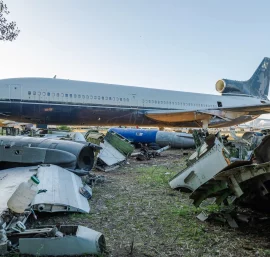
Aircraft graveyards, often referred to as boneyards, are fascinating and somewhat eerie places where planes go to retire. These vast storage facilities are the final resting places for thousands of aircraft that have served their time in the skies. Located primarily in arid regions where the dry climate slows corrosion, these graveyards play a crucial…
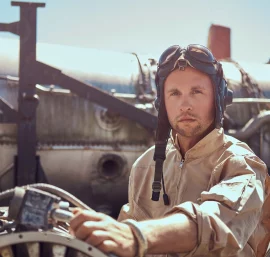
The dream of flight is as old as human civilization itself, with countless inventors, dreamers, and visionaries throughout history attempting to conquer the skies. Long before the Wright brothers‘ successful powered flight in 1903, ancient and medieval humans embarked on their own quests to achieve flight. This journey through time highlights the ingenuity, determination, and,…

Arctic Aeronautics presents a unique set of challenges and opportunities for aviation, whether for commercial flights, scientific research, or military operations. The extreme cold, unpredictable weather, and magnetic anomalies in the Arctic region demand specialized knowledge, equipment, and procedures to ensure safe and efficient flight operations. This exploration delves into the complexities of flying over…


